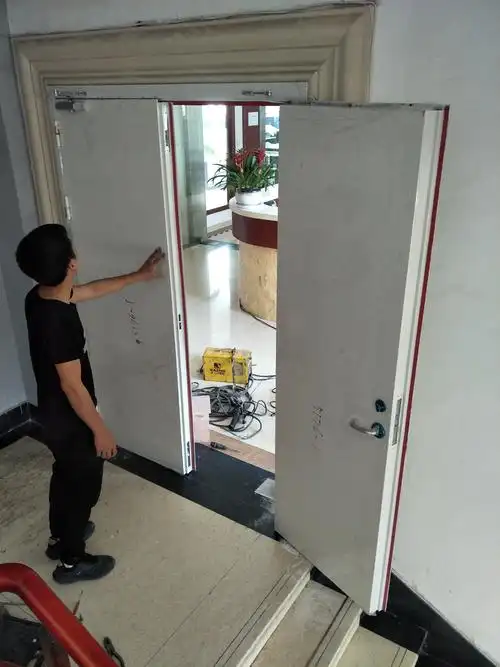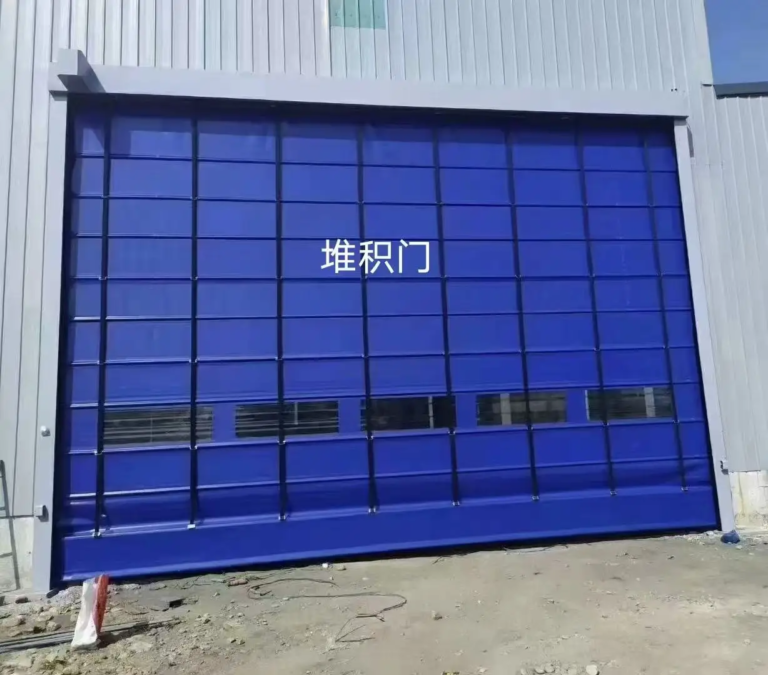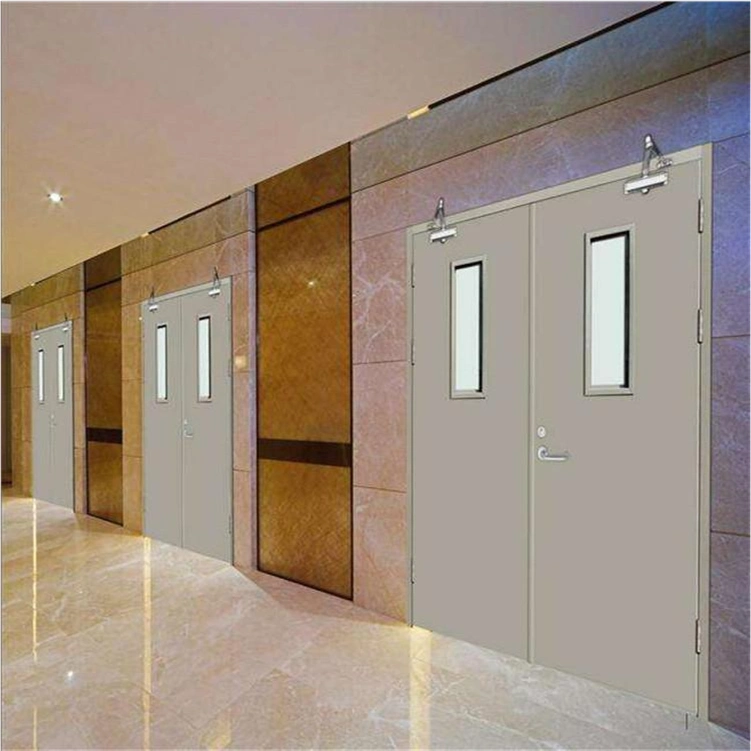
To assist you in better understanding, selecting, and installing Long Zheng Sheng brand fire-rated doors, we have compiled the most frequently encountered inquiries from our project support channels and customer service team, along with detailed responses. We trust this guide will serve you well in your project execution.
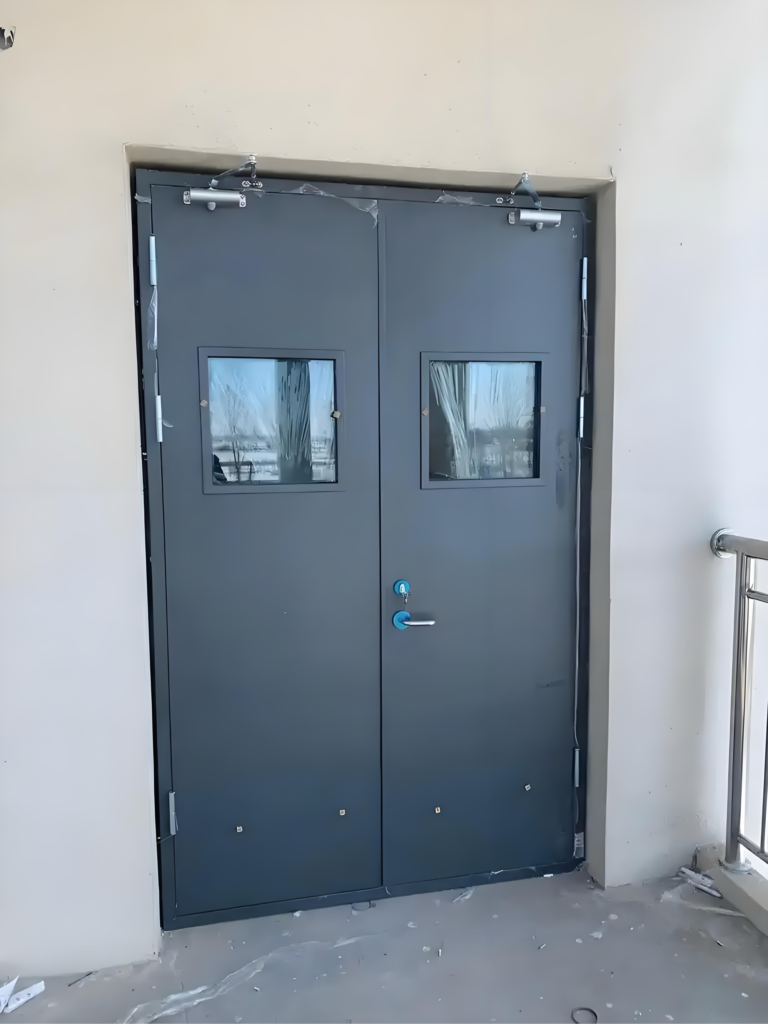
Q1: For construction projects, how do I choose between wooden and steel fire doors?
① Steel Fire Doors: Ideal for public fire safety zones such as residential building corridors, equipment machine rooms, commercial complexes, and industrial facilities. These doors offer superior structural integrity, impact resistance, and deformation resistance, with enhanced fire stability. They are suited for high-traffic areas and stringent fire code compliance requirements, making them the preferred choice for the majority of engineering projects.
② Wooden Fire Doors: Suitable for interior applications including main entrances, hallways, offices, and hotel guest rooms. They provide superior aesthetic appeal and can be finished with paint or decorative laminates to complement interior design schemes, satisfying fire safety standards without compromising visual elegance. They are primarily used for interior fire compartmentalization in civilian buildings.
③ Selection Recommendation: For critical fire safety locations such as public fire escape routes, enclosed stairwells, and equipment rooms, we recommend prioritizing Long Zheng Sheng steel fire doors. For premium interior fit-out projects where aesthetics are of high importance, Long Zheng Sheng fire-retardant wooden fire doors are an excellent choice. All our products fully comply with national fire safety regulations.
Q2: What are the differences between Class A, Class B, and Class C fire doors, and how should I select the appropriate grade?
① Class A Fire Doors: Offer the highest fire resistance rating at 1.5 hours, with optimal fire insulation and smoke containment performance. They are designated for critical fire protection areas such as fire pump rooms, electrical switch rooms, elevator machine rooms, and enclosed stairwells, providing the strongest barrier against fire propagation.
② Class B Fire Doors: Provide a 1.0-hour fire resistance rating and offer the greatest versatility. They are commonly specified for residential corridors, evacuation routes, and floor passageways, meeting standard fire inspection requirements and satisfying routine fire protection needs for the vast majority of residential and commercial buildings.
③ Class C Fire Doors: Provide a 0.5-hour fire resistance rating, primarily serving auxiliary fire separation locations such as pipe shafts, cable wells, and refuse chutes where basic fire compartmentalization is sufficient. They offer a highly cost-effective solution.
Long Zheng Sheng maintains complete certification across our entire fire door product range, with full availability of Class A, B, and C specifications to ensure precise alignment with your building fire safety drawings.
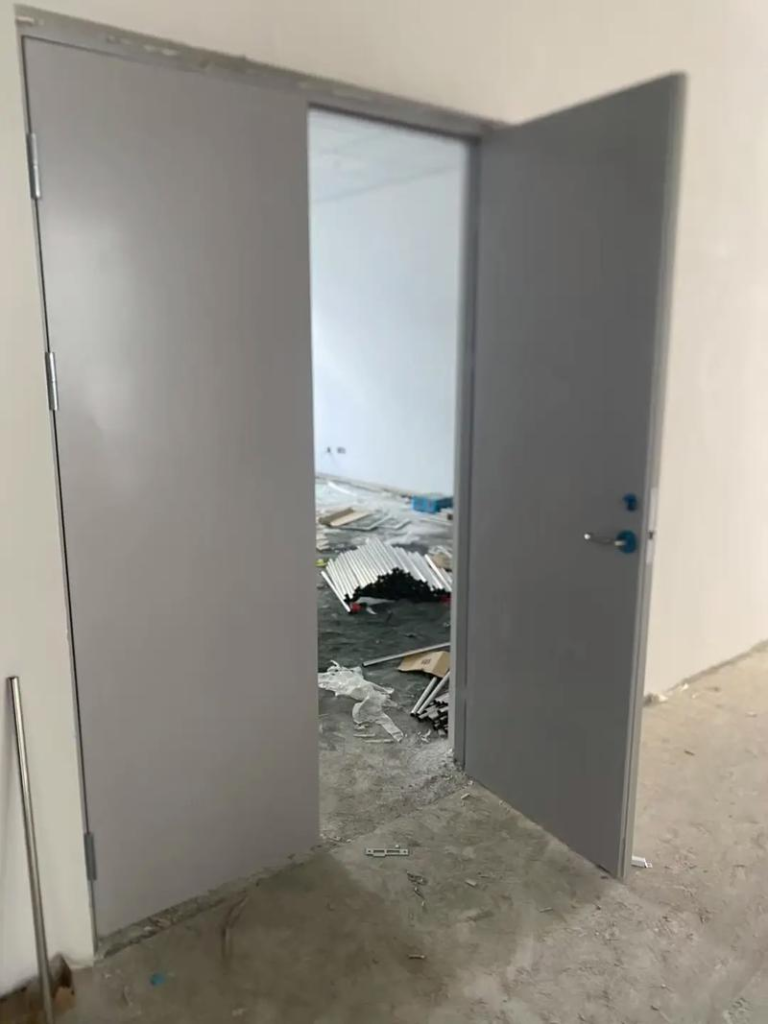
Q3: What causes fire doors to not close tightly or door closers to fail to retract? How can these issues be resolved?
① Loose Hinge Screws: Prolonged operation and vibration may loosen hinge screws, causing door leaf misalignment and gaps. This can be rectified by tightening the hinge fixing screws and adjusting the door leaf plumb.
② Improper Door Closer Force Adjustment: Newly installed or aged door closers may exhibit imbalanced opening/closing speed or closing force, resulting in incomplete closure or failure to retract. Fine-tune the closing speed and latching action via the dual adjustment valves on both sides of the door closer.
③ Minor Door Leaf Deformation or Debris Obstruction: Accumulated dust or debris in the frame-to-leaf gap, or minor door leaf distortion, may impede full closure. Clean the gaps and perform minor realignment of the door leaf. Should deformation be severe, please contact Long Zheng Sheng after-sales service for an on-site inspection and adjustment.
④ Coordinator Malfunction: In double-leaf fire doors, a faulty sequence coordinator may cause improper closing order and incomplete sealing. Replacement with a compatible coordinator will restore normal closing function.
Q4: What are the key points for routine fire door inspection and maintenance?
① Maintain Proper Open/Closed Status: Normally closed fire doors must remain in the closed position at all times. It is strictly prohibited to keep them wedged open for extended periods or to remove door closers and locking hardware. Normally open fire doors must be equipped with linked release devices to ensure automatic closure upon fire alarm activation.
② No Unauthorized Modifications: Unauthorized cutting, drilling, or removal of door frames, intumescent seals, door closers, or sequence coordinators is strictly prohibited. Such modifications will directly compromise fire resistance performance and result in failure to pass mandatory fire safety inspections.
③ Regular Hardware Inspection: Periodically inspect hinges, door closers, intumescent seals, and locking mechanisms for integrity. Worn or detached seals must be replaced promptly to maintain tight closure and effective smoke and fire containment.
④ Retain Certification Documentation: All Long Zheng Sheng fire doors are supplied with fire test reports, conformity certificates, and product identification tags, readily available upon request to facilitate seamless fire authority inspections and ensure full project compliance.