Fire Door Infill Material
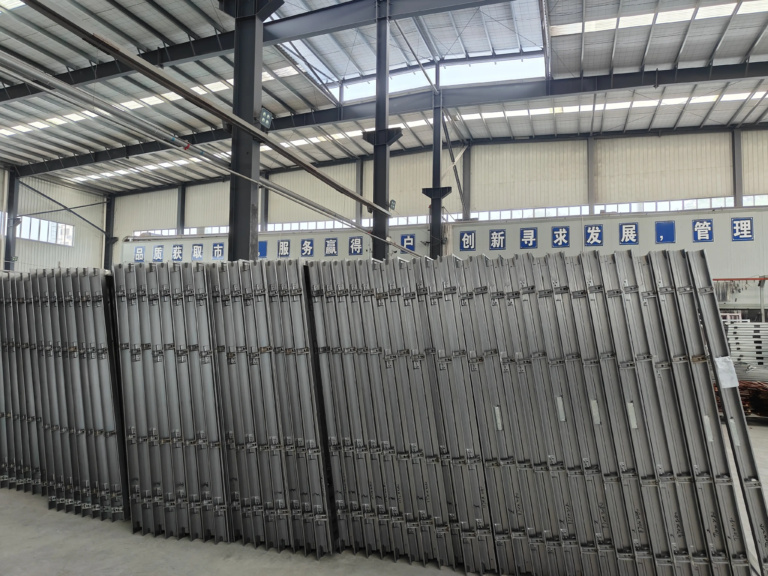
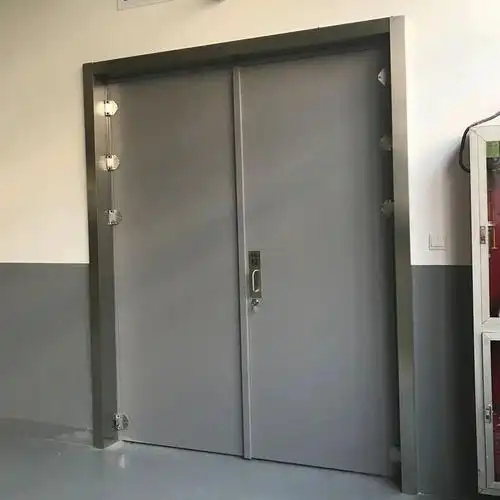
Fire door infill material refers to the non-combustible core material filled inside the door leaf and frame of a fire-rated door, providing thermal insulation during fire exposure. According to the current national standard GB 12955-2008 Fire Doors, if a fire door uses infill material, it must be a fire-resistant and thermally insulating material that is non-toxic and harmless to humans, with a combustion performance rating of Class A (non-combustible). The mainstream infill material in the industry today is the expanded perlite fire door core board, which has gradually replaced earlier materials such as rock wool (mineral wool) and aluminum silicate wool.
Infobox
| Item | Details |
|---|---|
| Chinese Name | 防火门填充材料 |
| English Name | Fire Door Infill Material |
| Main Components | Expanded perlite, inorganic binder, high-temperature resistant aggregate |
| Core Standard | GB 12955-2008 Fire Doors |
| Combustion Performance | Class A1 (Non-combustible) |
| Common Density | 200 kg/m³ – 330 kg/m³ |
| Thermal Conductivity | ≤ 0.04 W/(m·K) – 0.051 W/(m·K) |
| Maximum Temperature Resistance | > 1100 ℃ |
| Mainstream Types | Perlite fire door core board, Vermiculite board |
Table of Contents
- Overview
- Main Types of Infill Materials
- Density and Physical Performance Indicators
- Fire Resistance Rating Classification
- National Standards and Technical Requirements
- References
Overview
As a core component of building fire compartmentation systems, the fire resistance performance of a fire door depends not only on the material of the door frame and leaf panels, but is also directly related to the thermal insulation stability of the internal infill material. The current standard GB 12955-2008 explicitly stipulates that fire door infill materials must be non-combustible and must satisfy dual indicators: fire integrity and fire insulation.
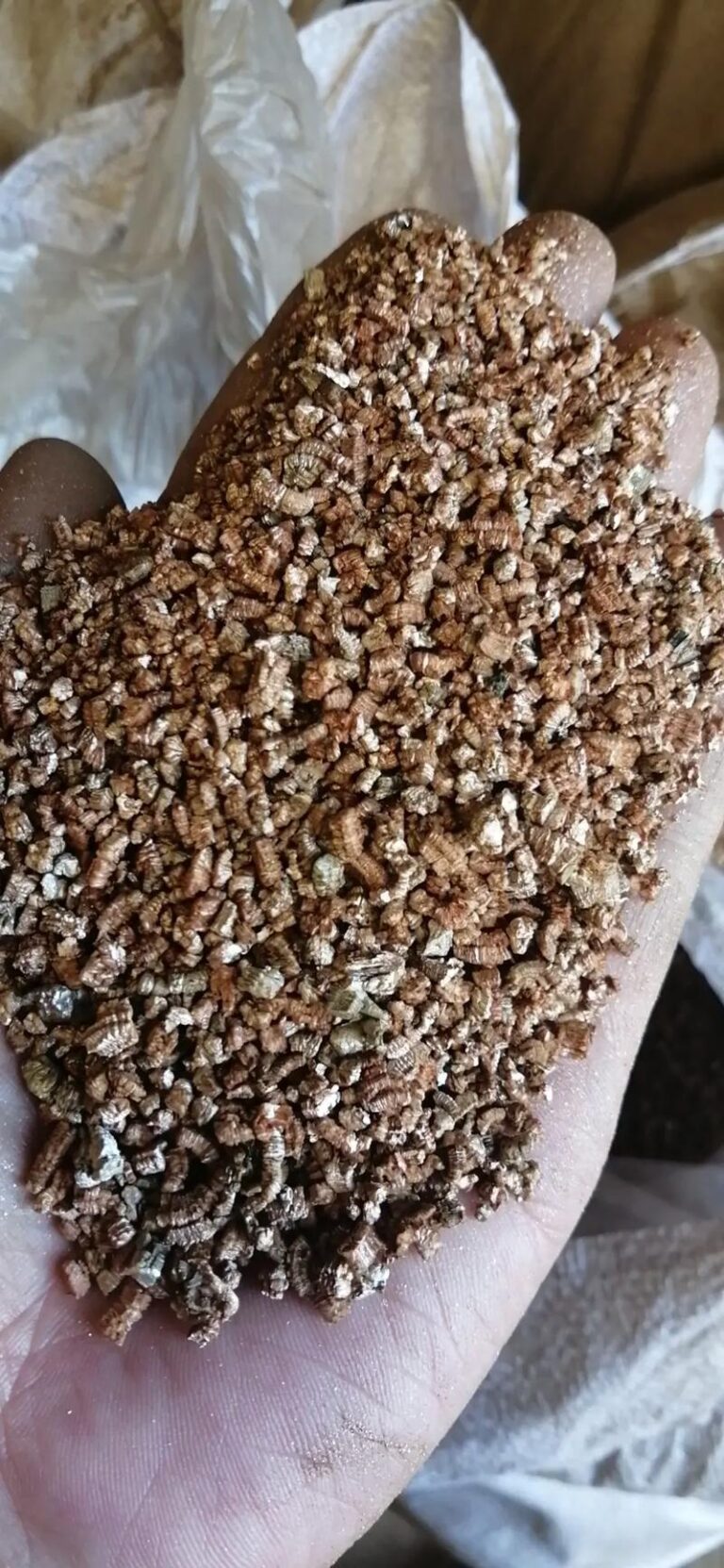
Currently, the third-generation expanded perlite fire door core board has become the market mainstream. This material uses natural perlite ore sand that undergoes instantaneous expansion at temperatures above 1300 ℃ to form hollow, honeycomb-like particles as the aggregate. Combined with a waterproof, neutral inorganic binder and molded under high pressure, it features light weight, thermal insulation, non-corrosiveness to metal, and zero toxic gas release at high temperatures.
Main Types of Infill Materials
1. Perlite Fire Door Core Board (Mainstream)
Composed primarily of expanded perlite, with modified inorganic binders and curing agents added, then mixed, high-pressure molded, and dried to final shape. Its non-ionic binder is neutral and will not undergo displacement reactions with steel plates, effectively preventing internal corrosion of the door leaf and extending the service life of the fire door.
2. Vermiculite Board
An inorganic board using expanded vermiculite as aggregate, also possessing Class A non-combustible performance. However, its market share is lower than perlite boards, and it is mostly used in specific fire partition scenarios.
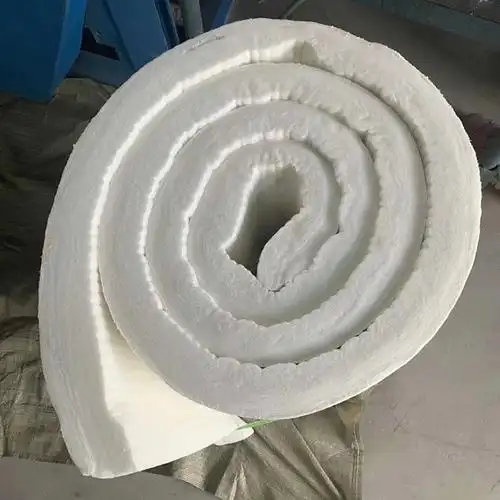
3. Rock Wool / Aluminum Silicate Wool (Phased Out / Restricted)
Early fire doors widely used rock wool or aluminum silicate wool as infill core materials. With the enhancement of environmental protection and durability requirements in GB 12955-2008, these materials have been largely replaced by perlite-based materials due to issues such as moisture absorption, corrosiveness to metal, and construction dust.
Density and Physical Performance Indicators
Taking the perlite fire door core board as an example, its key physical performance indicators are as follows:
| Indicator | Parameter Range | Remarks |
|---|---|---|
| Dry Apparent Density | ≤ 220 kg/m³ – 330 kg/m³ | Moderate bulk density, balancing strength and lightweight properties |
| Thermal Conductivity | ≤ 0.04 W/(m·K) – 0.051 W/(m·K) | Thermal insulation performance superior to aluminum silicate wool and rock wool |
| Compressive Strength | ≥ 0.9 MPa – 2.5 MPa | Tested at thicknesses of 40 mm – 48 mm |
| Mass Loss Rate (Combustion) | ≤ 3% – 12% | GB 8624 Class A1 test |
| Duration of Sustained Combustion | 0 s – 480 min, non-combustible | Class A1 non-combustible classification |
| Maximum Temperature Resistance | > 1100 ℃ | No melting or deformation under high temperature |
| Water Absorption Rate (4h average) | ≤ 10 g/(m²·h) | Water repellent treatment significantly enhances water resistance |
Note: Different manufacturers may have slight variations in density and strength indicators due to formulation and pressing process differences, but all must satisfy the Class A non-combustible requirements of GB 12955-2008 and GB 8624-2012.
Fire Resistance Rating Classification
The fire resistance rating of a fire door is determined by dual indicators of fire integrity + fire insulation. The current standard classification is as follows:
| Grade | Fire Resistance Rating | Typical Application Scenarios |
|---|---|---|
| Grade A (A1.50) | ≥ 1.50 h | Fire wall openings, electrical rooms, fire pump rooms, critical equipment rooms |
| Grade B (A1.00) | ≥ 1.00 h | Evacuation stairwells, smoke-proof stairwell anterooms, fire access routes |
| Grade C (A0.50) | ≥ 0.50 h | Pipe shafts, cable shafts, ordinary vertical shaft inspection doors |
Comparison with Old and New Standards: Older specifications (such as 03J609) previously specified Grade A at 1.2 h, Grade B at 0.9 h, and Grade C at 0.6 h. This standard has been abolished. The current GB 12955-2008 (effective January 1, 2009) uniformly adjusted the ratings to Grade A 1.5 h, Grade B 1.0 h, and Grade C 0.5 h.
National Standards and Technical Requirements
Core Standards
- GB 12955-2008 Fire Doors: Stipulates that infill materials must be non-toxic and harmless fire-resistant and thermally insulating materials; if the door leaf contains infill material, it shall be filled with non-combustible material.
- GB 8624-2012 Classification of Burning Behavior of Building Materials and Products: Infill material combustion performance must reach Class A1 (non-combustible).
- GB/T 20285-2006 Danger Classification of Smoke Toxicity for Materials: Smoke toxicity after high-temperature open-flame combustion must comply with safety standards.
Structural Parameters for Steel Fire Doors (Reference)
- Overall Door Leaf Thickness: 50 mm (infill core board thickness typically ≥ 43 mm – 48 mm)
- Door Frame Steel Plate Thickness: ≥ 1.2 mm
- Door Leaf Panel Thickness: ≥ 0.8 mm
- Door Leaf Skeleton Steel Plate: ≥ 1.2 mm
- Hardware Melting Temperature: ≥ 950 ℃