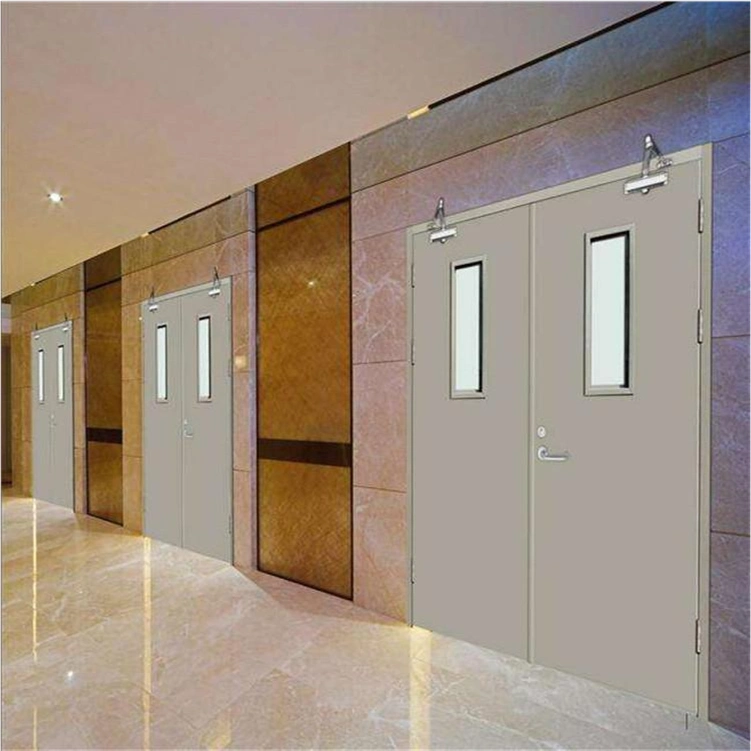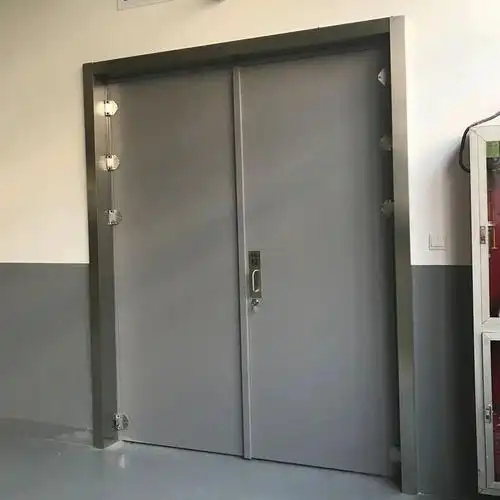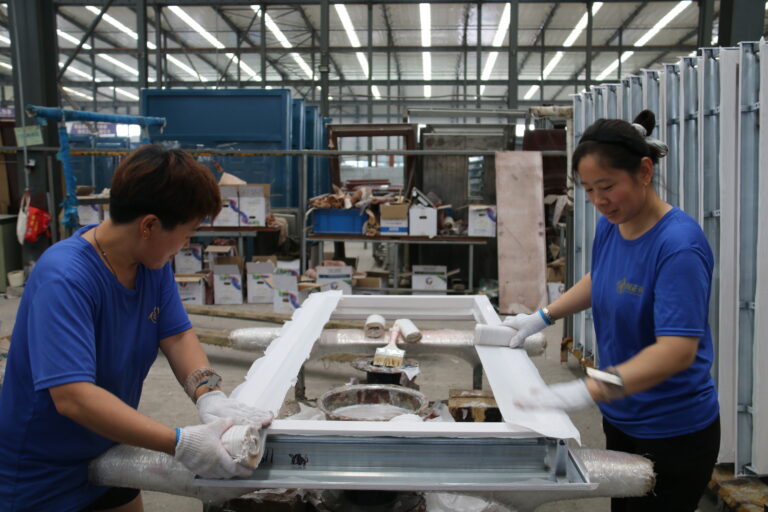
In the challenging environments of Middle East construction, fire doors must do more than just stand in the way of flames. When a fire breaks out, the Intumescent Core transforms from a static internal component into an active safety system. Here is a technical breakdown of its protective functions:
Q1: How does the intumescent core prevent the spread of lethal smoke?
A: Active Gap Sealing. During a fire, steel doors naturally warp and deform due to the extreme temperature difference between the two sides. This warping creates gaps between the door leaf and the frame. The intumescent core is designed to expand significantly when temperatures reach approximately 200°C, physically filling these gaps and creating a high-pressure seal that blocks toxic smoke and hot gases from escaping into evacuation routes.
Q2: What role does it play in blocking thermal radiation?
A: Formation of a Dense Insulation Shield. As the material expands, it creates a thick, multi-layered “char” structure. This expanded char has extremely low thermal conductivity. It acts as a powerful thermal barrier that blocks the transfer of radiant heat, ensuring that the temperature on the protected side (the non-fire side) stays within safe limits for as long as possible, typically for 60, 90, or 120 minutes.
Q3: Does the core help maintain the structural integrity of the steel door?
A: Internal Structural Support. Standard hollow steel doors can buckle under intense heat. The expansion of an intumescent core creates internal pressure that helps support the steel skins from the inside. By filling the internal cavities completely, it helps the door maintain its physical shape and prevents it from collapsing or detaching from its hardware during the critical stages of a fire.
Q4: Why is it considered superior to traditional “static” insulation materials?
A: Dynamic Response. Traditional materials like rock wool are passive; they provide insulation but cannot adapt to the physical changes of a warping door. An intumescent core is “reactive”—it grows with the heat. In a high-pressure fire environment, this “active” expansion is the only reliable way to ensure a smoke-tight seal, which is critical in high-rise buildings and hospitals where smoke inhalation is the primary danger.
Q5: Is the protective reaction safe for occupants during evacuation?
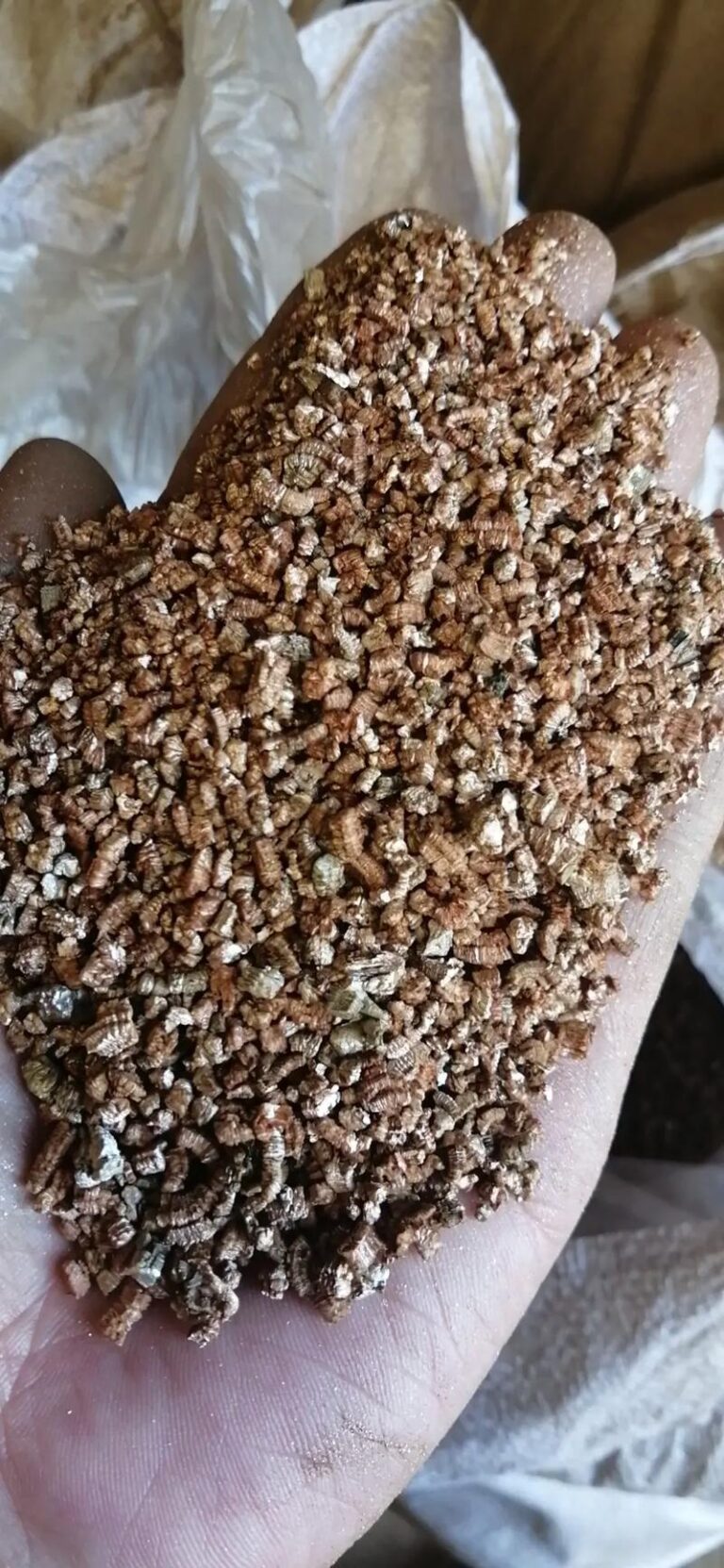
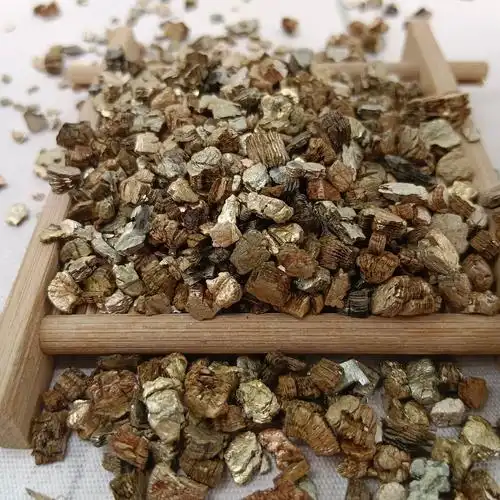
A: Non-Toxic Protection. High-quality inorganic intumescent cores, such as those based on expanded vermiculite, are designed to be halogen-free. This means that during the chemical expansion process, the material does not release toxic fumes or blinding smoke, ensuring that clear visibility and breathable air are maintained in exit corridors and stairwells.
Technical Summary for Engineers
The intumescent core provides a triple-action protection system: it seals gaps caused by heat deformation, blocks heat radiation through a carbonized insulation layer, and maintains the structural integrity of the door unit. For infrastructure projects requiring high-level life safety standards, integrating an active expansion core is a technical necessity.