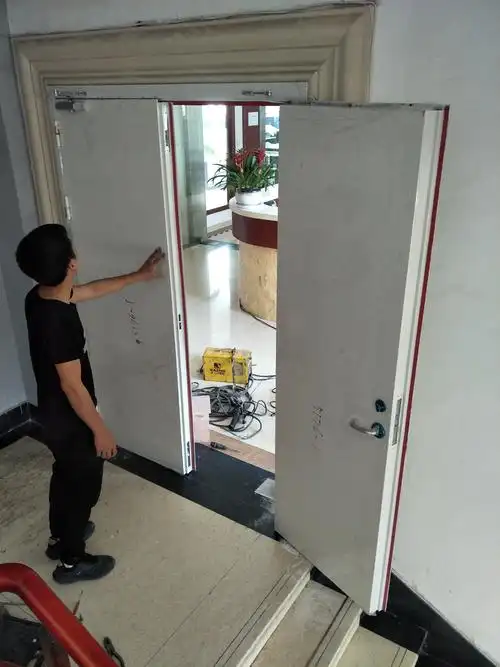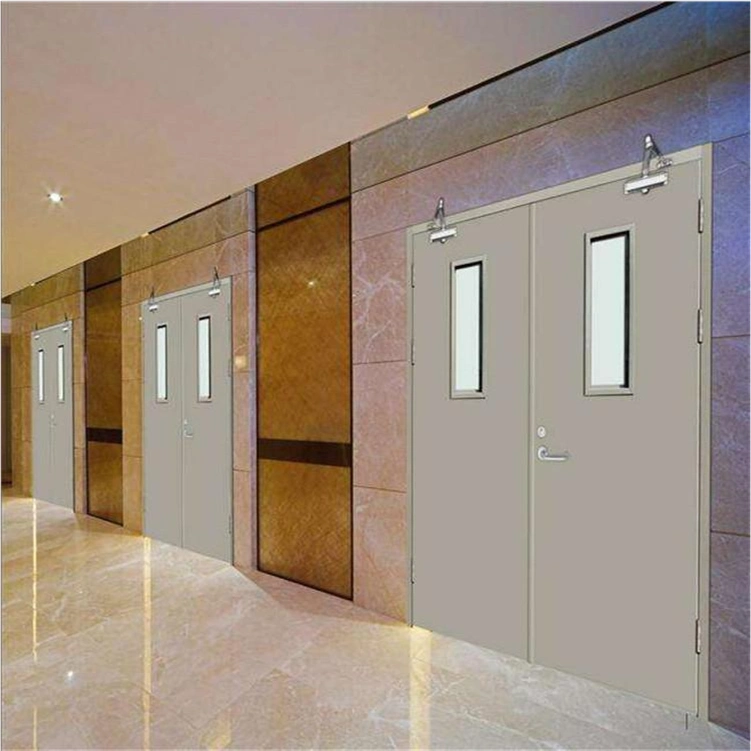
In major Middle East construction projects, consultants and contractors often ask: “What is actually inside the door?” The fire rating (60, 90, or 120 minutes) depends almost entirely on the performance of the core infill.
Based on international engineering standards and regional requirements, there are three primary types of materials used in steel fire doors:
1. Perlite Fireproof Board (The Market Standard)
Perlite is the most widely used infill material for commercial and residential projects, such as shopping malls, office buildings, and apartments.
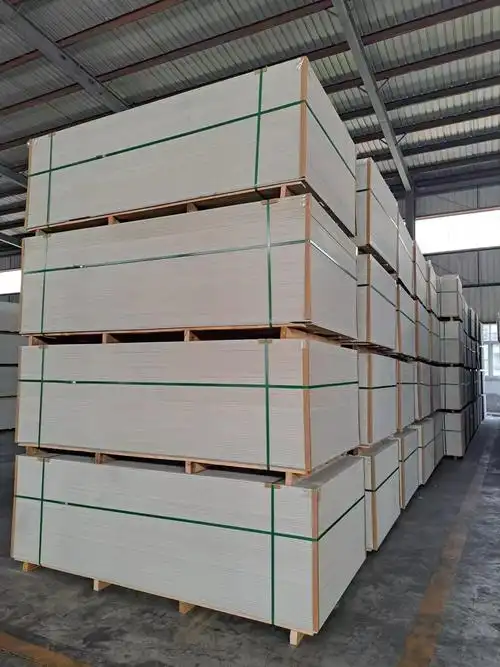
- Material Composition: Created from natural volcanic glass that is expanded at high temperatures and pressed into solid boards using inorganic binders.
- Key Advantages:
- Cost-Effective: Offers excellent fire resistance (up to 90 minutes) at a competitive price point.
- Environmentally Friendly: Non-toxic and produces zero smoke when exposed to fire.
- Stable: It does not corrode the steel door skin and provides decent sound insulation.
- Best For: Standard commercial and residential layouts.
2. Aluminum Silicate Fiber / Ceramic Fiber (The Industrial Choice)
When a project involves extreme heat environments—such as petrochemical plants, power stations, or transformer rooms—Aluminum Silicate Fiber is the professional’s choice.
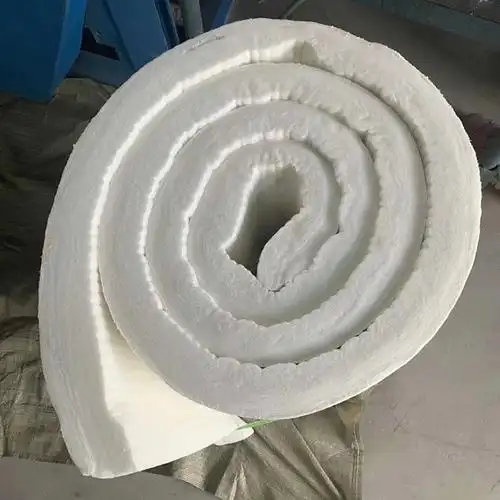
- Material Composition: An inorganic fiber made from molten alumina and silica, resembling white cotton.
- Key Advantages:
- Ultra-High Temperature Resistance: Can withstand temperatures exceeding 1000°C with exceptional thermal stability.
- Lowest Thermal Conductivity: It is far superior to perlite in blocking heat transfer, ensuring the “cold side” of the door stays safe.
- Vibration Resistant: Unlike rigid boards, this flexible fiber does not crack or settle due to the heavy vibrations found in industrial zones.
- Best For: Industrial facilities, power plants, and high-risk mechanical rooms.
3. Intumescent Fire-Resistant Core (The Active Safety Choice)
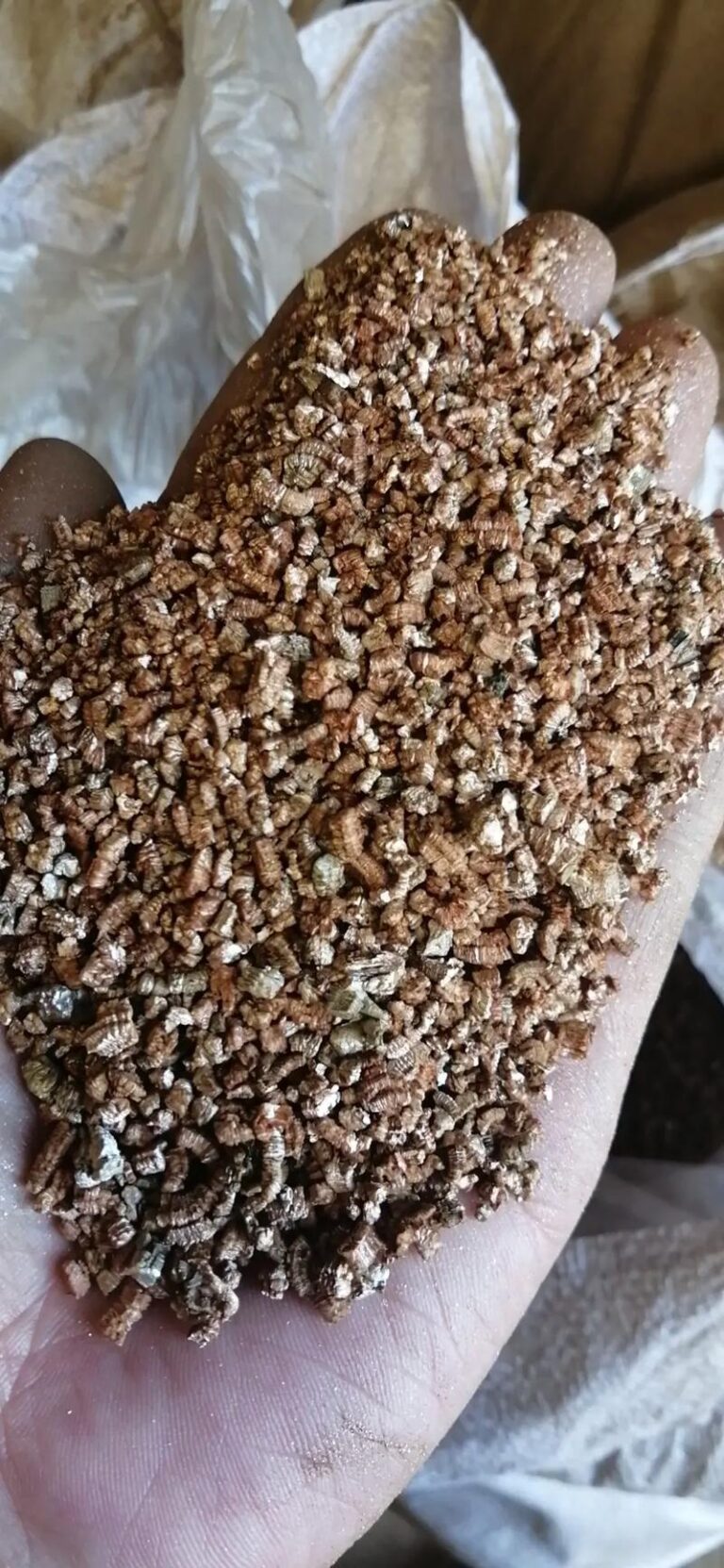
This is a high-tech reactive composite, typically based on expanded vermiculite, used in specialized doors where smoke sealing is as critical as fire blocking.
- Material Composition: A reactive inorganic board that remains stable at room temperature but expands in volume when exposed to heat.
- Key Advantages:
- Active Gap Sealing: It expands at roughly 200°C to fill any gaps caused by the steel door warping under heat.
- Advanced Smoke Control: It creates a high-pressure seal that is the most effective way to block lethal toxic gases.
- High Structural Strength: The expanded “char” layer is highly resistant to the air pressure surges found in burning buildings.
- Best For: Hospitals (Medical Doors), data centers, and cleanrooms.
Professional Procurement Advice for Contractors
If you are managing a project in the Gulf, here is how to select the right core:
- For standard high-rise residential or offices: Perlite Board is usually sufficient to meet 60-90 minute fire codes while keeping the project on budget.
- For infrastructure with high vibration or high heat (Energy/Oil & Gas): Always specify Aluminum Silicate Fiber. It won’t degrade under harsh industrial use.
- For life-safety passages or clean environments (Hospitals/Server Rooms): Invest in doors with an Intumescent Core to ensure zero smoke leakage.
Important Note: Always verify that the manufacturer provides localized testing reports (such as UL or Intertek) for the specific density and thickness of the core material, as these factors directly determine the final fire-rating duration.