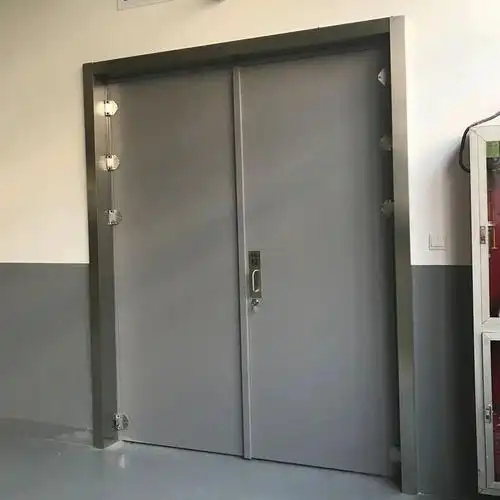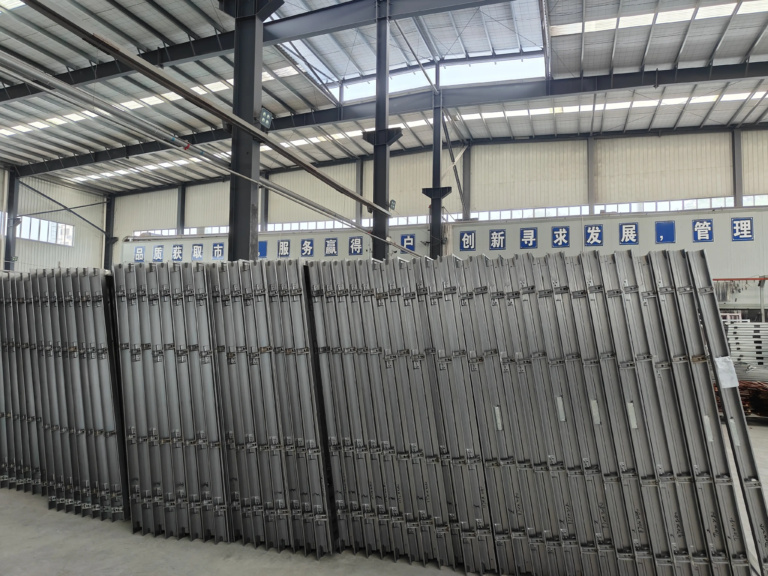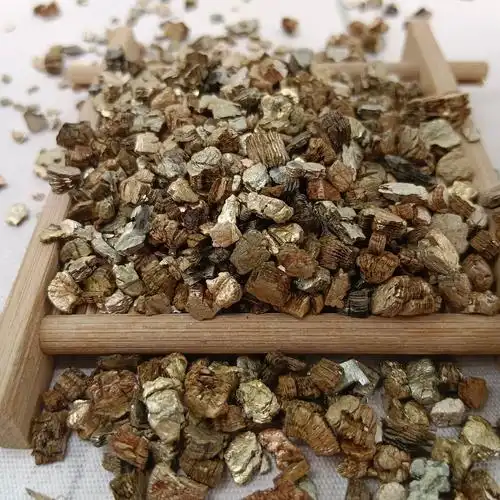
20 years working fire doors all over this region—Saudi, UAE, Qatar, Oman. I’ve seen it all. Cheap doors that looked perfect right off the truck, rusted clean through in 2 years, paint peeling so bad they wouldn’t even shut right anymore.
That’s all them cheap suppliers cutting corners on the outer steel sheet. This isn’t just the face of your door—it’s the first line of defense, against fire, and against your harsh local weather. No fancy engineer jargon, no sales fluff. I’ll tell you straight, plain and simple, exactly what material you’re getting when you order from our factory.
First: Why Your Weather is Different
Before we talk about the steel, you gotta understand: the Middle East isn’t like Europe or China. We got:
- 50°C+ summer heat that cooks paint and softens bad coatings
- Salt air from the Gulf that eats steel like candy if it’s not protected
- Crazy strong UV rays that turn cheap paint chalky and crack it in a year
- Sand storms that scratch and beat on the door every year
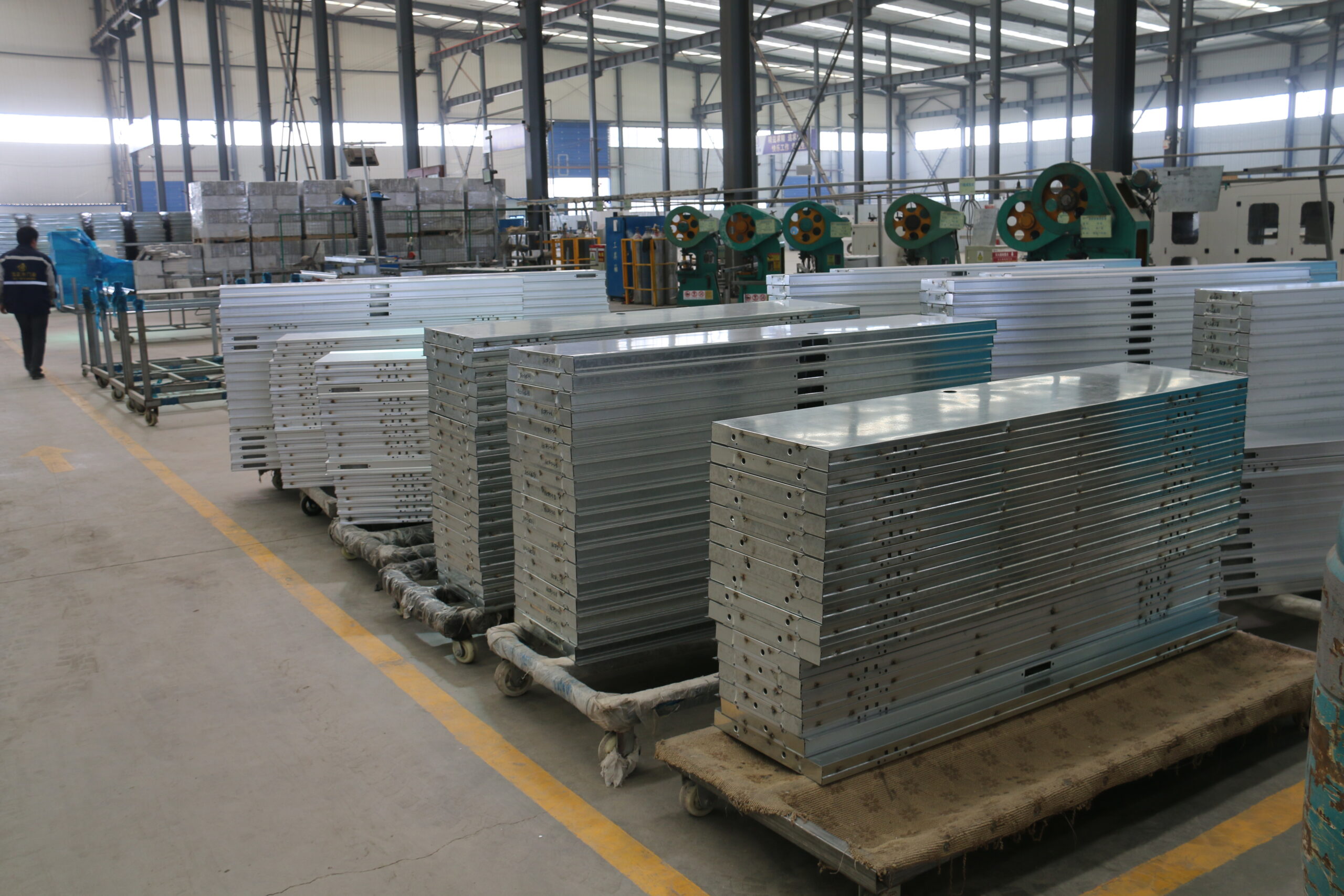
If a factory just sends you the standard steel they use for cold, dry places? It won’t last. We build our doors specifically for your environment.
Part 1: The Base Steel – What’s Under the Coating?
A lot of guys will say “it’s just steel”. No, it’s not. We only use two types for your projects, and we never use the cheap stuff.
1.1 Premium Cold-Rolled Steel (Our Standard)
This is the base for 90% of our fire doors going to the Middle East.
- What it is: This is steel that’s been rolled at low temperature, making it super strong, flat, and smooth. No bumps, no weak spots.
- Why we use it:
- It’s way stronger than cheap hot-rolled steel. When there’s a fire, this steel won’t warp or bend easily. It holds the door shape so the fire can’t get through.
- It’s perfect for painting. The smooth surface means our coating sticks like glue, no peeling.
- Our thickness standard:
- For the door leaf (the moving part): 1.5mm minimum. For 3-hour fire doors (like the ones we sent to Riyadh last month), we go thicker.
- For the frame: 2.0mm minimum. This is the part that takes all the beating from people slamming the door, it can’t be thin. A lot of cheap factories use 0.8mm or 1.0mm steel. It’s lighter, cheaper, but it dents if you look at it wrong, and it fails the fire test.
1.2 Aluminum-Zinc Alloy Steel (For Coastal Projects)
If your project is right on the coast, like in Jeddah or Dubai Marina, where the salt air is extra bad? We upgrade you to this.
- What it is: It’s steel with a special aluminum-zinc alloy coating on it, not just regular zinc.
- Why it’s better for you:
- It handles salt corrosion 3-5 times better than regular galvanized steel. I’ve got doors in Jubail that have been up for 12 years, not a spot of rust.
- It handles the heat way better. The aluminum forms a hard protective layer when it’s hot, so it doesn’t oxidize in your 50°C sun.
Part 2: The Protection – How We Stop Rust & Peeling Paint
The base steel is nothing if we don’t protect it. This is where most factories cut corners.
2.1 The Galvanized Layer – The First Barrier
We don’t use bare steel. Ever. All our steel is hot-dip galvanized first.
- Normal factories use: 100-180 g/m² zinc coating. That’s fine for normal places, but not here.
- Our standard for Middle East: Minimum 275 g/m² zinc layer. That’s 3x thicker than the cheap stuff.
- What does that mean? It means even if the paint gets scratched by a sand storm, the zinc underneath protects the steel from rust. It sacrifices itself to save the steel. That’s how we get doors that last 20+ years, not 2.
2.2 The Paint Coating – Beating the UV & Heat
After galvanizing, we paint it. And we don’t use cheap house paint.
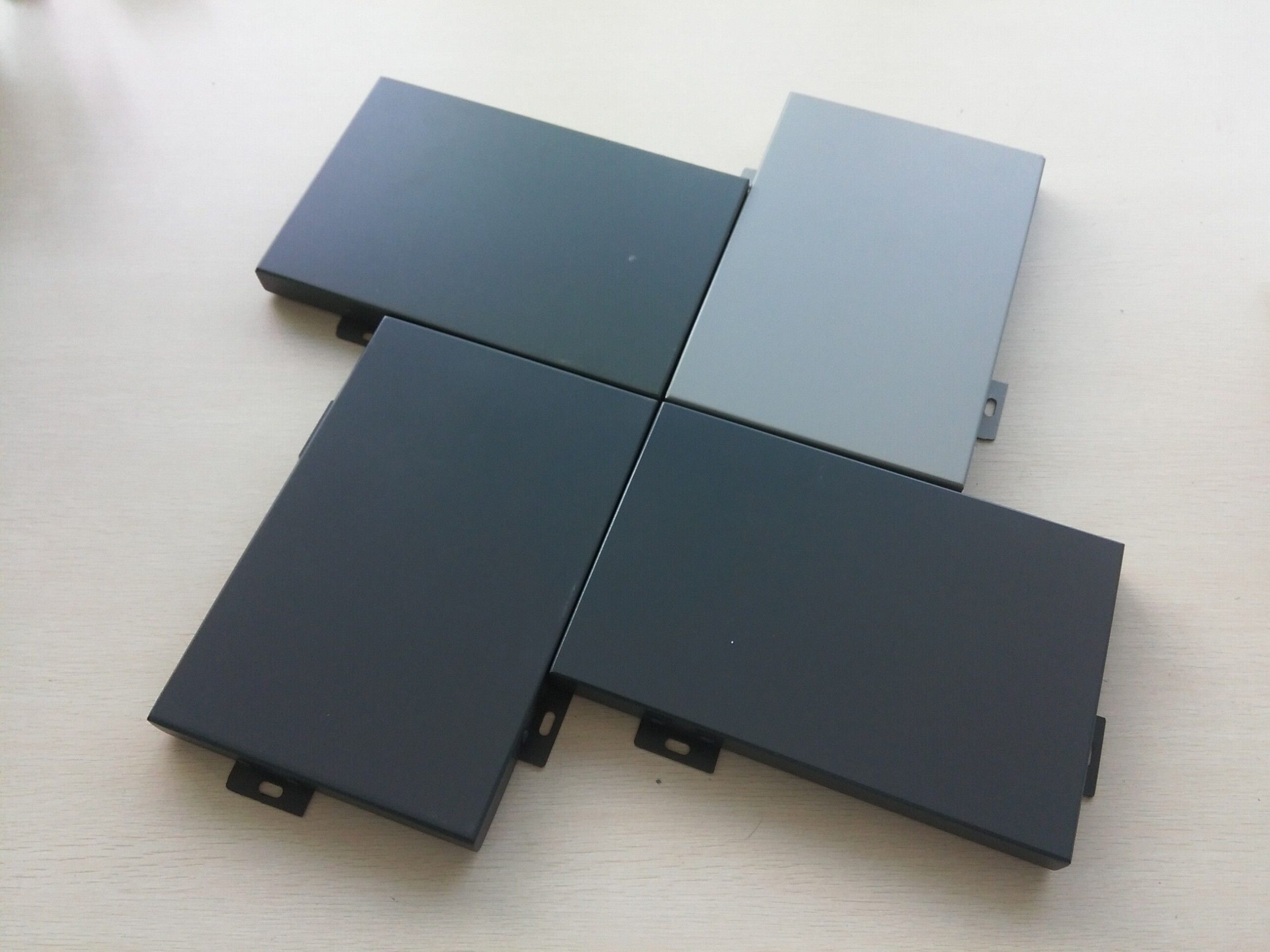
- We use PVDF Fluorocarbon Paint (for exterior doors):
- This is the same paint they use for skyscraper cladding in Dubai. It’s built for your sun.
- It blocks 100% of the harmful UV rays. Your door’s color won’t fade. I’ve got doors in Abu Dhabi that were installed 8 years ago, they still look brand new, no chalky white residue.
- It handles heat up to 600°C. So even in the summer, the paint won’t bubble or peel off.
- For interior doors: We use our automatic powder coating. It’s hard, scratch resistant, and easy to clean, perfect for hospitals and schools.
Part 3: How This Helps You Pass Fire Tests & Save Money
I know you care about two things: passing the civil defense fire test, and not having to replace the doors in 3 years.
- Fire Performance: That thick cold-rolled steel? It doesn’t just stop rust. When there’s a fire, it takes way longer for the heat to get through. It works with the fireproof rockwool inside to keep the other side cool, so you pass your UL or BS EN fire test easy. We’ve done hundreds of 90-minute and 180-minute fire doors for Saudi Civil Defense, they all passed first try.
- Long Term Savings: Yeah, our steel costs a little more upfront. But think about it: if you buy cheap doors, you gotta repaint them every 2 years, and replace them after 5. Our doors? They last 20+ years. You save a fortune on maintenance and replacement. I’ve got clients in Dubai who still call me after 15 years, saying their doors are still working perfect.
A Little About Our Factory, To Give You Peace of Mind
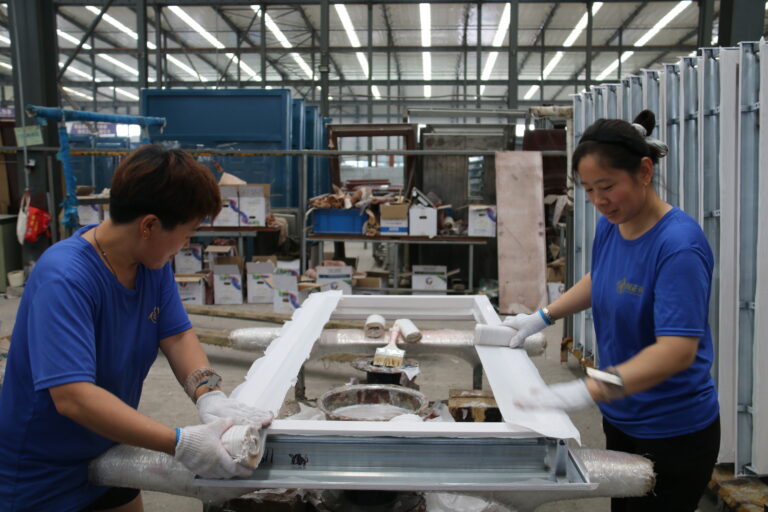
I work for LongZhengSheng. We’ve been doing this for over 10 years. We got two big factories in China, 238 workers, all the certifications: ISO9001, we’re a National High-Tech Enterprise, we got 16 patents on fire door tech.
We don’t just make standard doors. We customize everything for the Middle East. We’ve sent thousands of doors to Saudi, UAE, Qatar, we know exactly what your civil defense departments want. We’ve done schools, hospitals, malls, residential towers, all over the Gulf.
end
Look, at the end of the day, a fire door isn’t just a door. It’s something that protects your people, your property, and it’s something that has to last in your tough weather. The outer steel is the most important part of that.
We don’t cut corners here. We use the thick steel, the thick zinc coating, the PVDF paint, because I’ve seen what happens when you don’t. I’ve been doing this for 20 years, I know what works here.